
Home » CSR
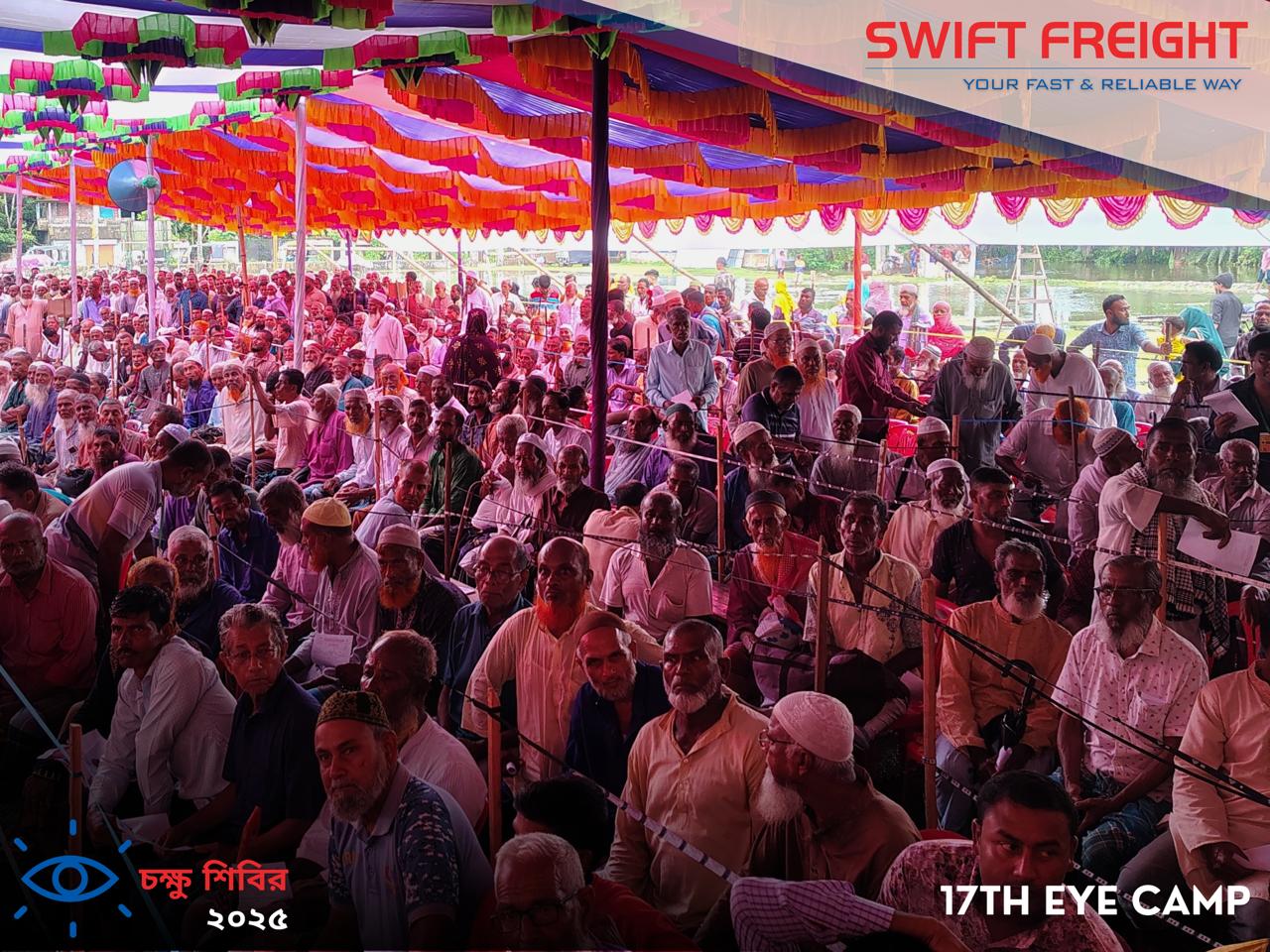
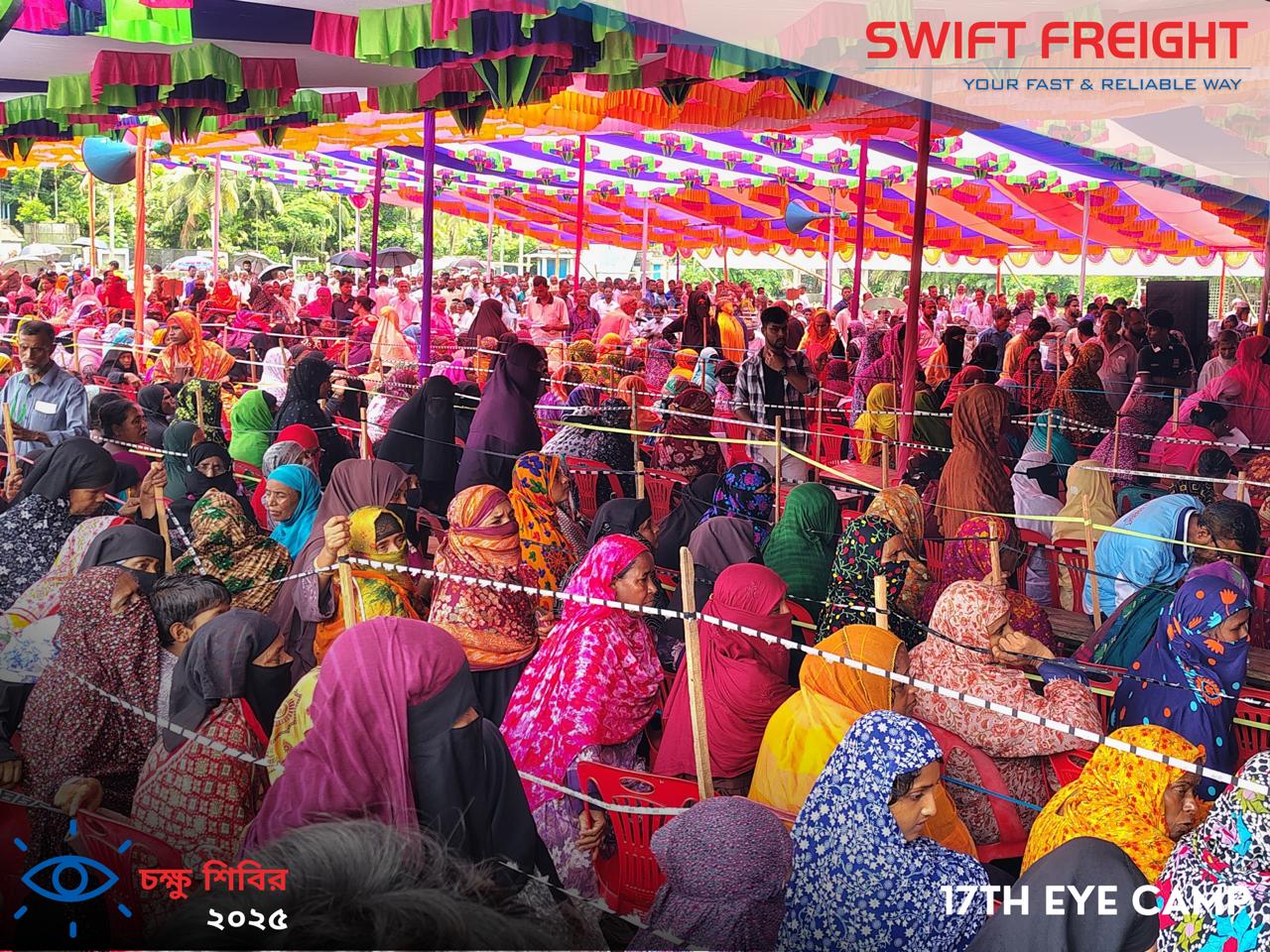
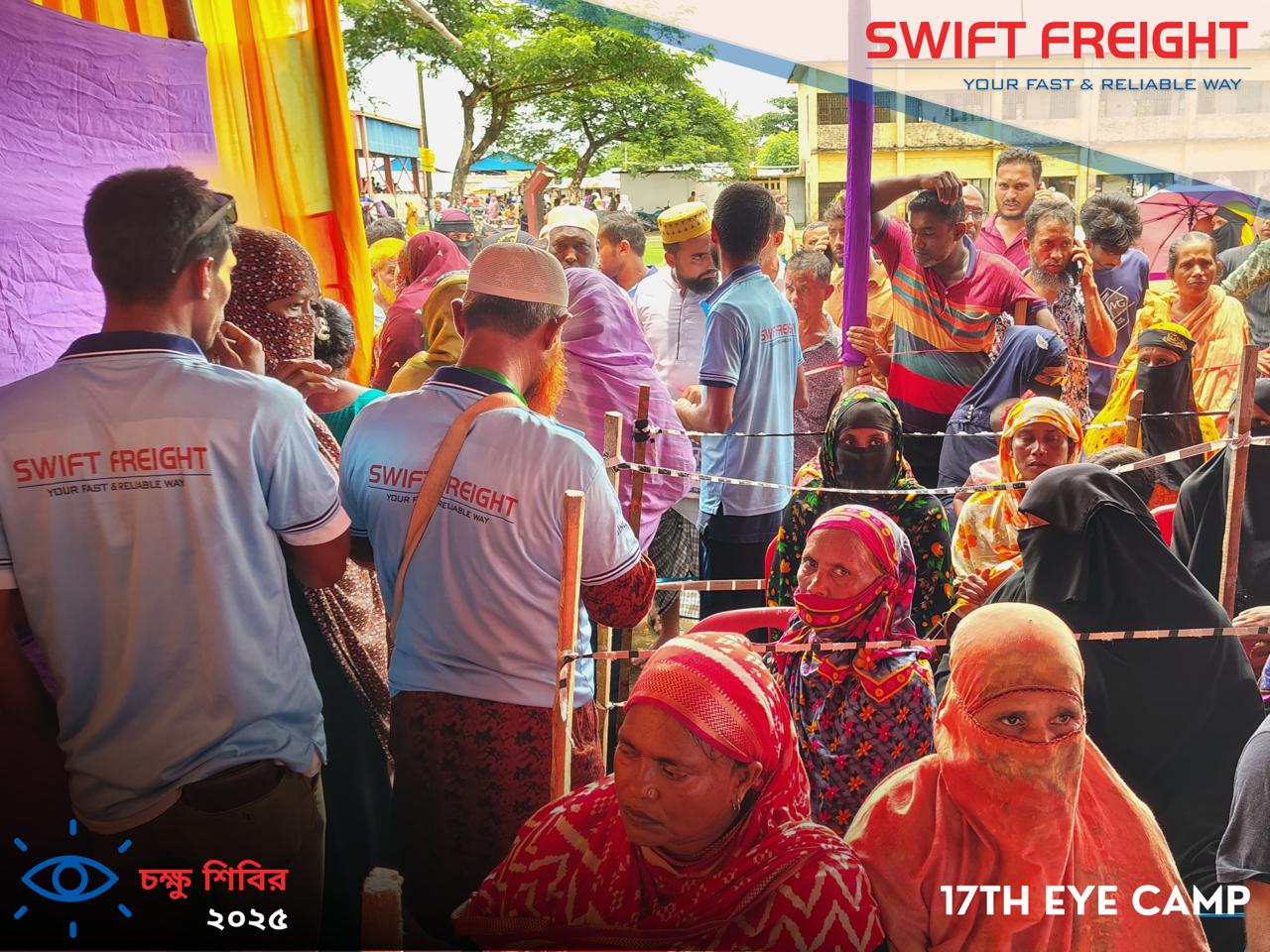
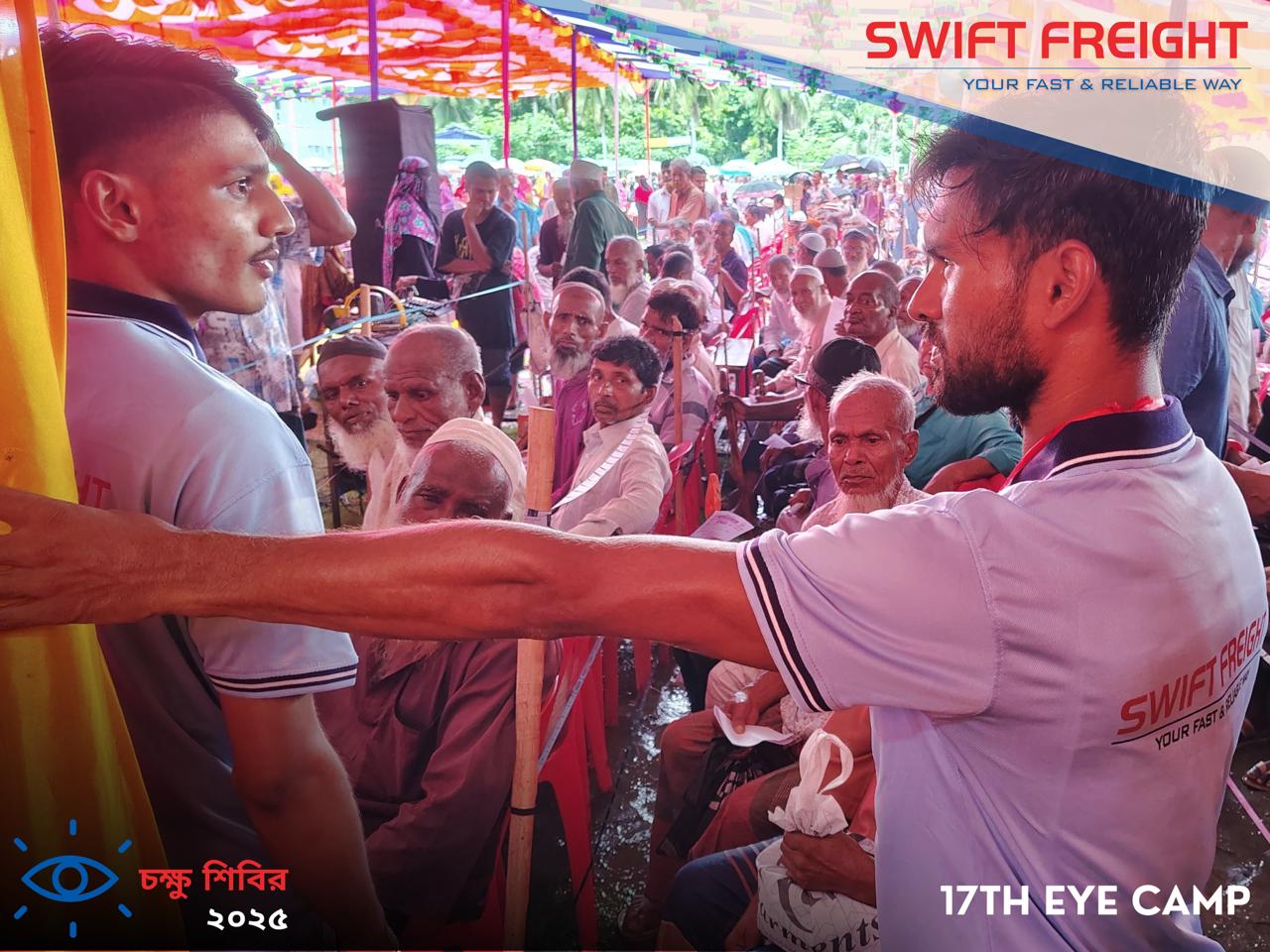
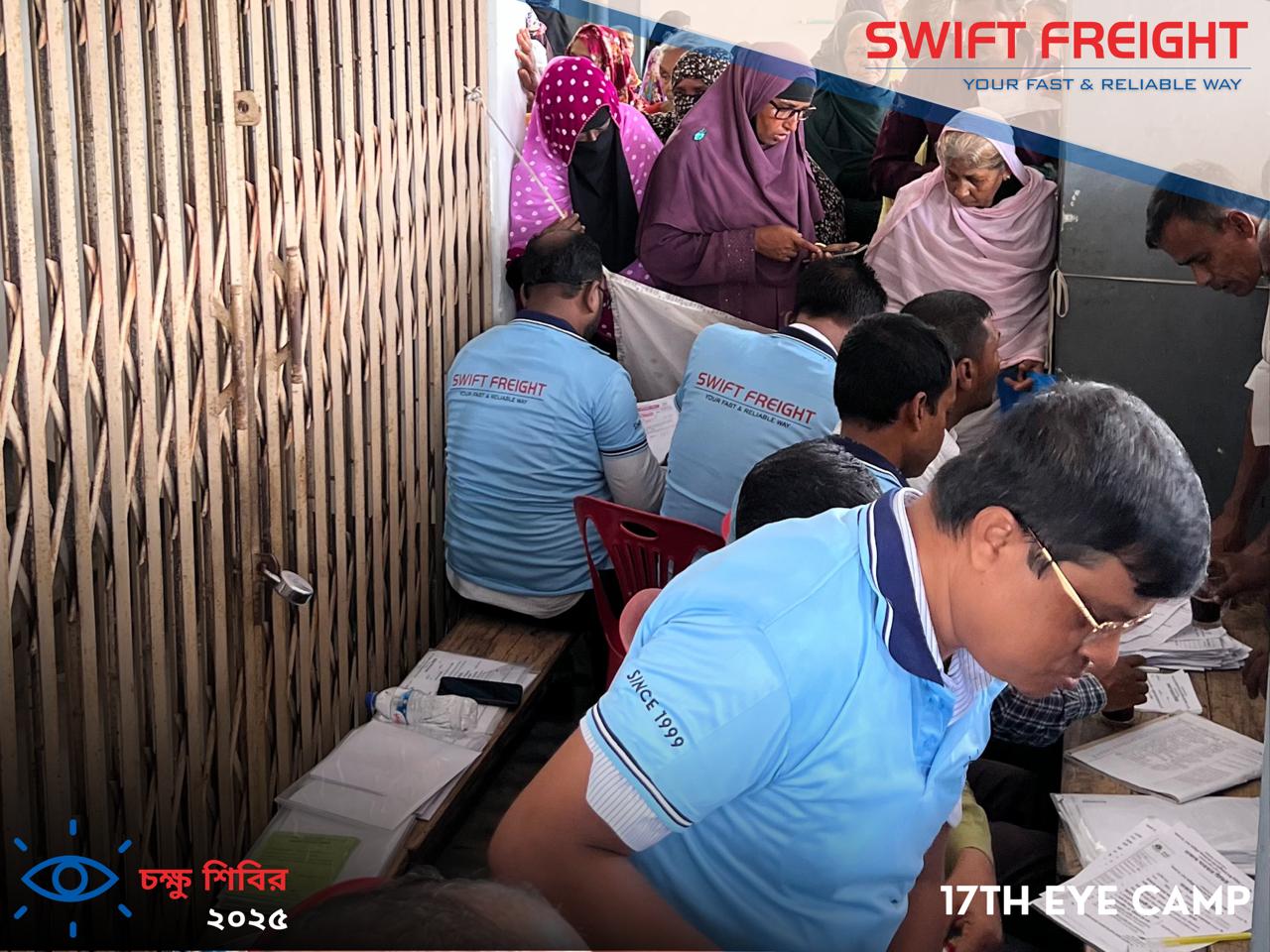
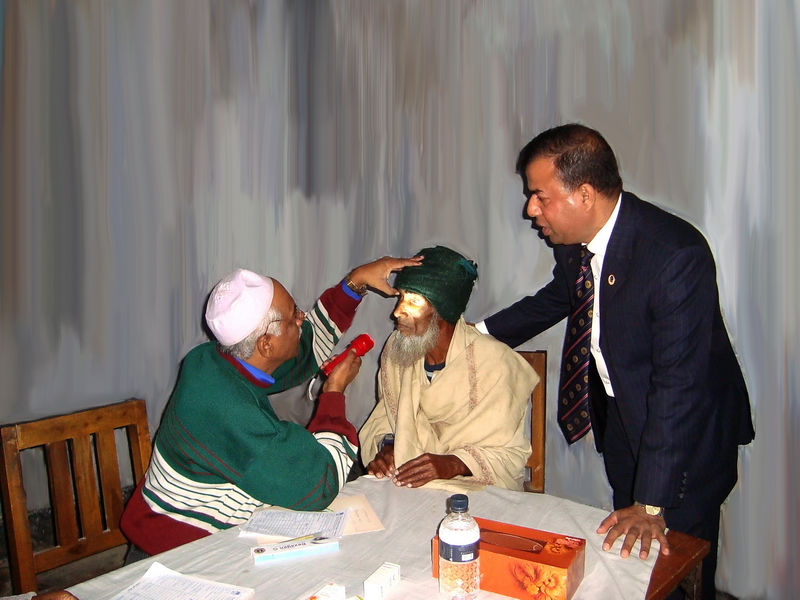
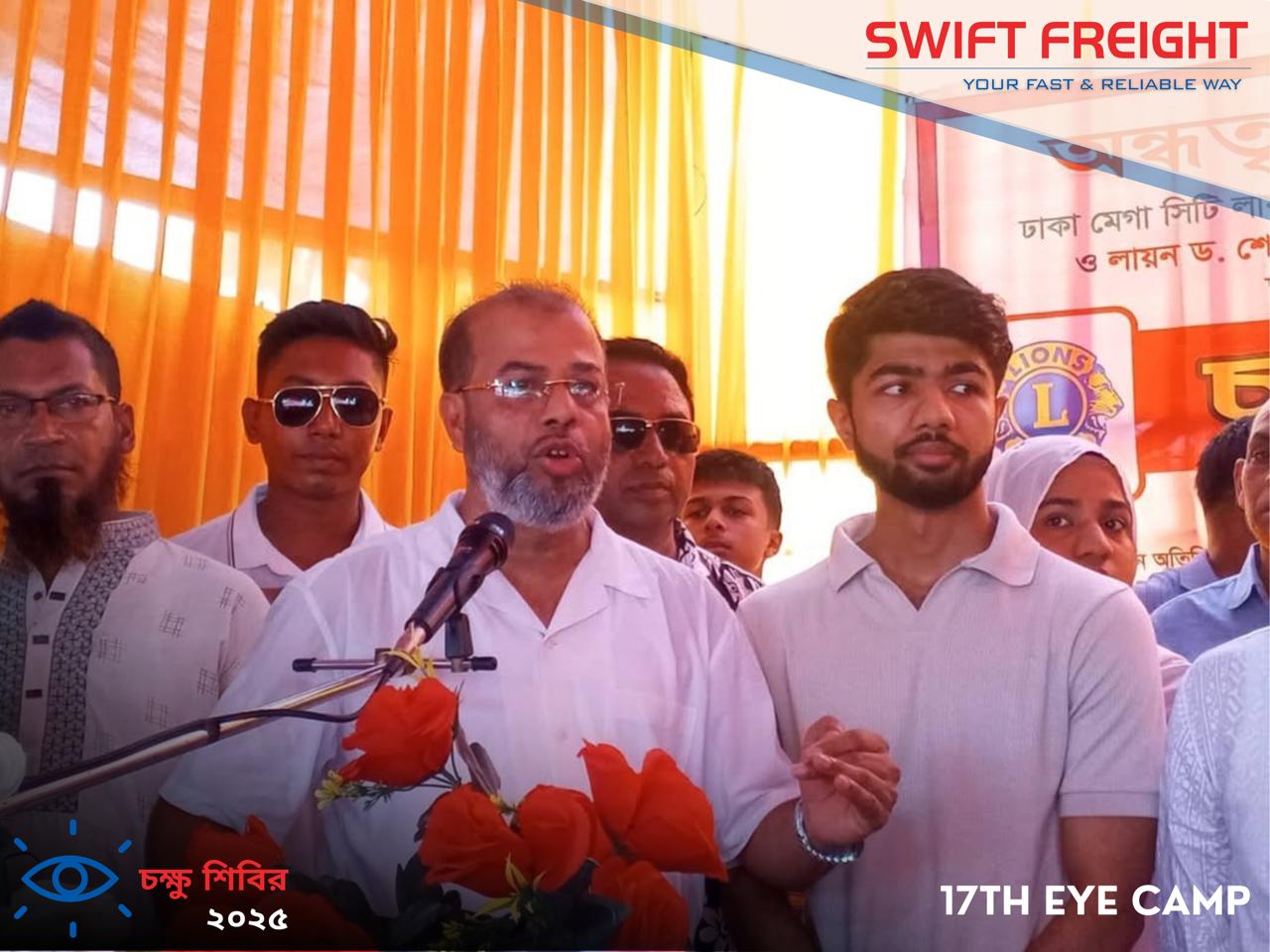
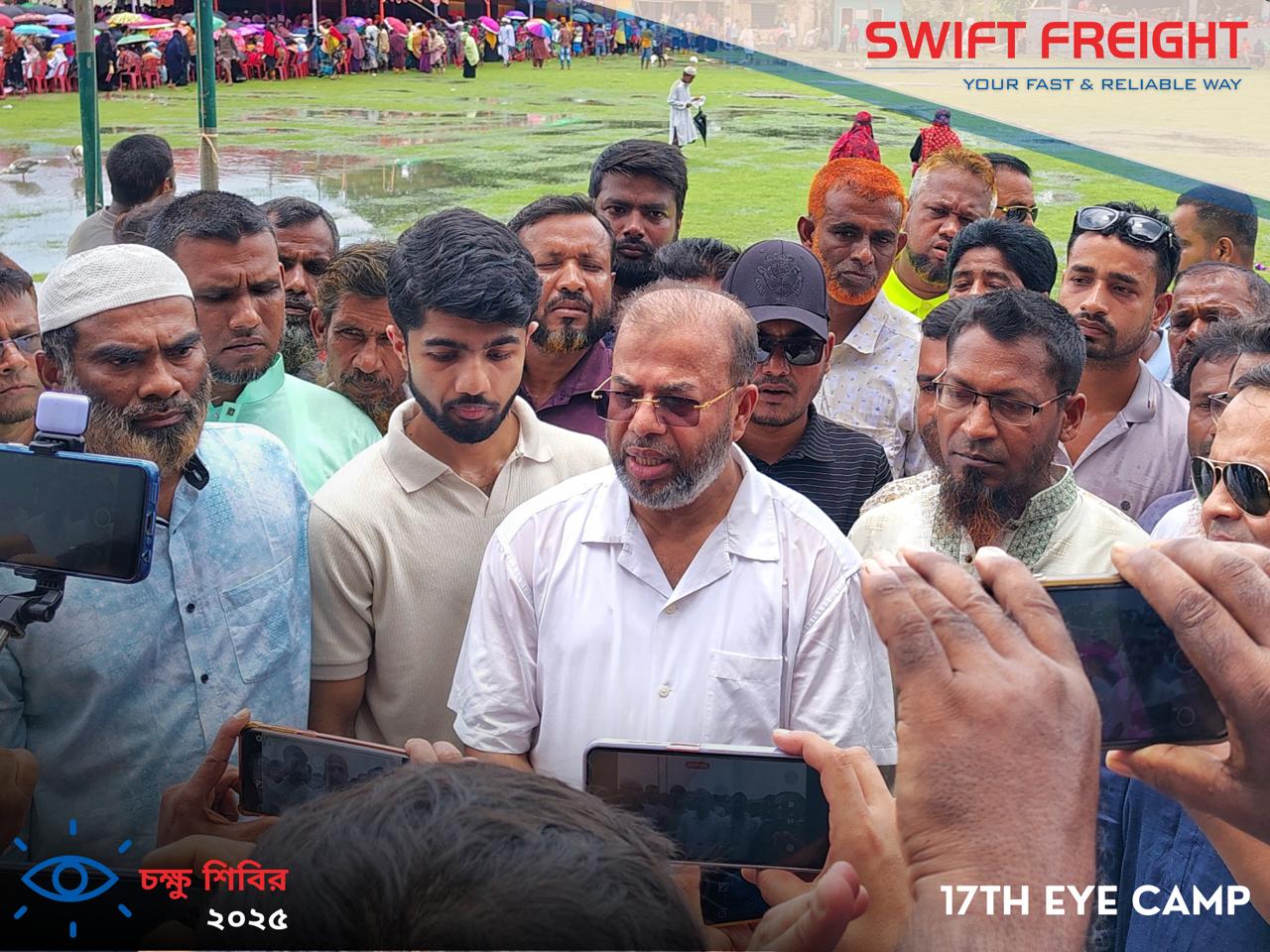
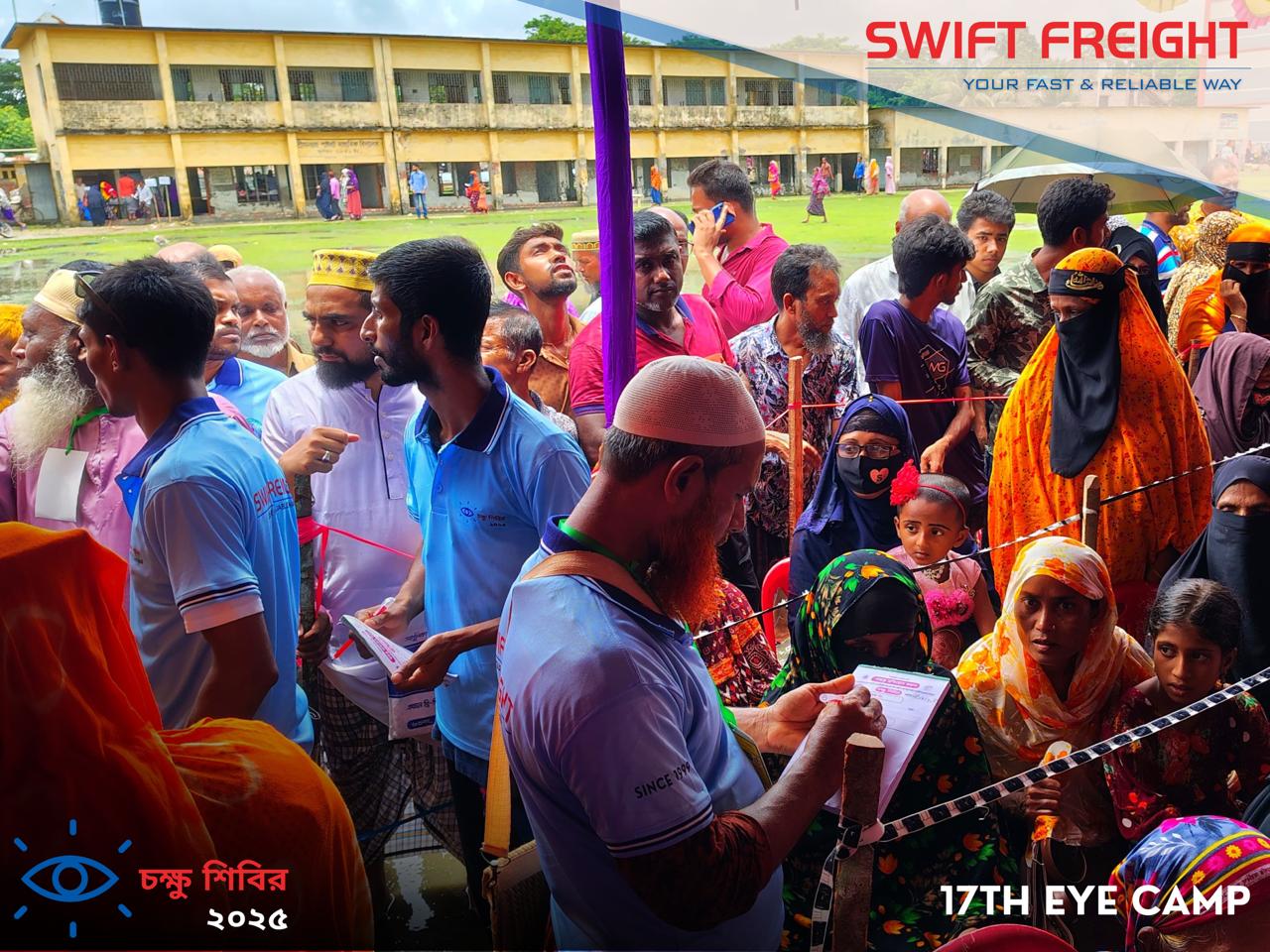
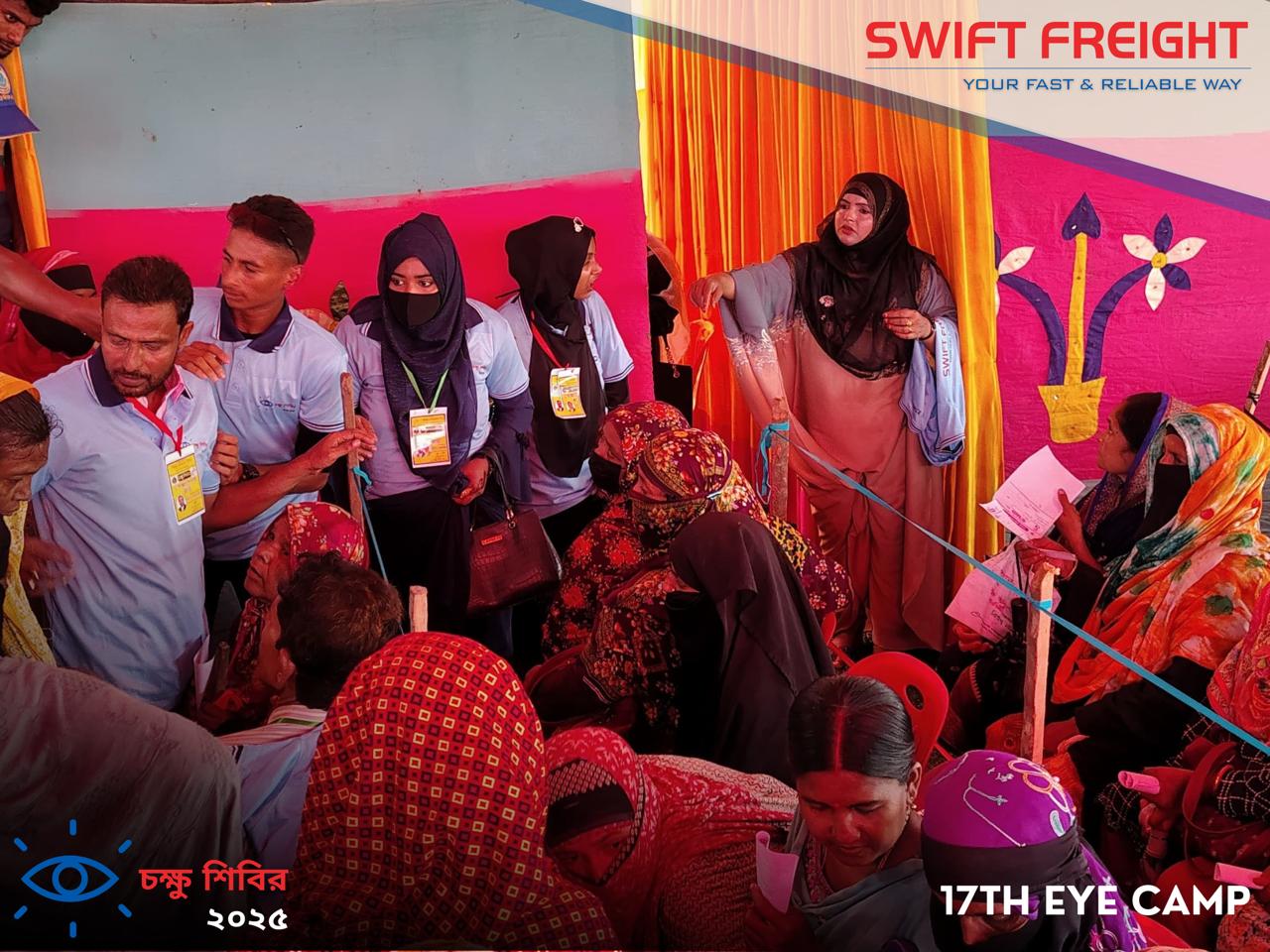
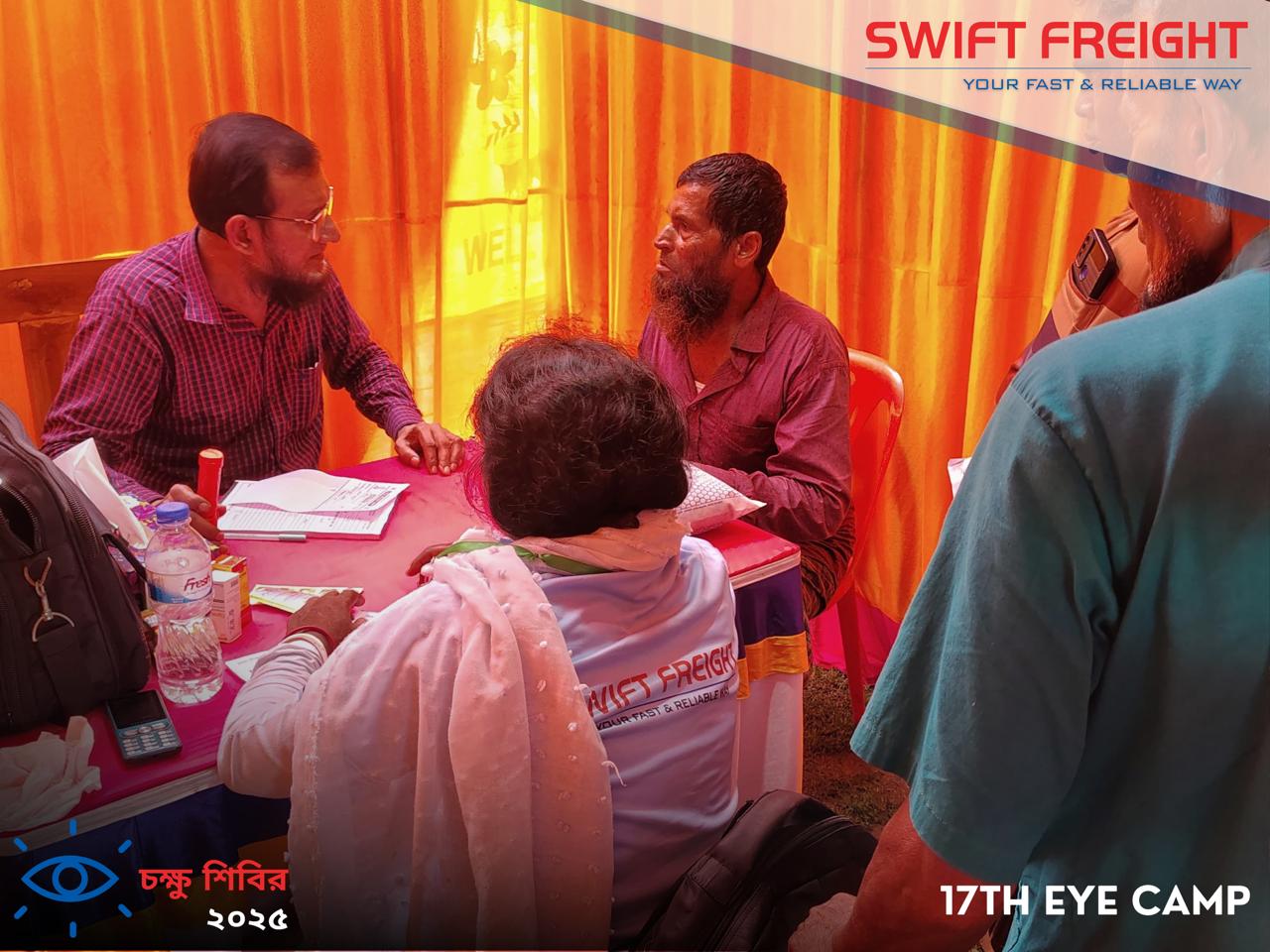
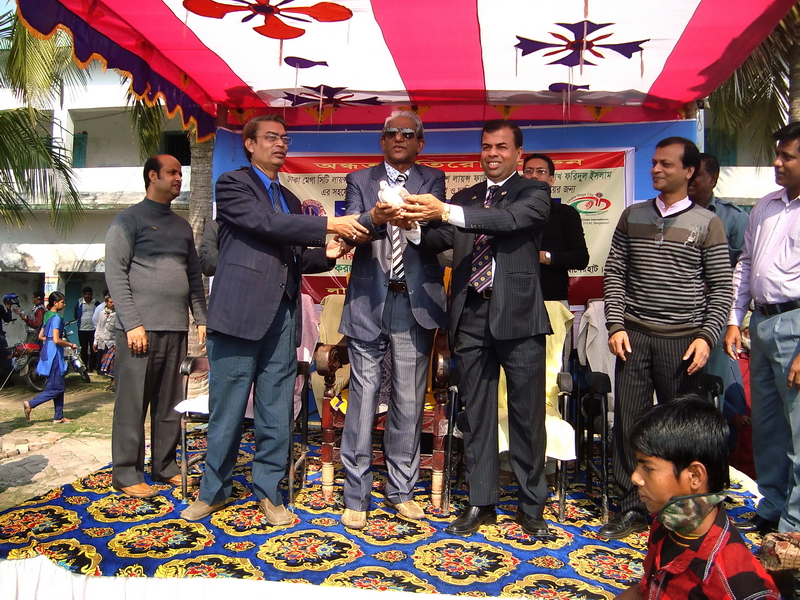
The story of Chokhu Shibir began in 2009, when our Managing Director, Lion Dr. Shaikh Faridul Islam, PhD, set out on a mission rooted in compassion. His goal was simple: to help prevent avoidable blindness and bring accessible eye care to communities that needed it most. What started as a small initiative to provide cataract screening and free surgeries has grown into one of the most meaningful and enduring humanitarian efforts supported by Swift Freight International Ltd.
Over the years, Chokhu Shibir has become a symbol of hope for thousands of individuals who have spent years living in darkness. It represents dignity, possibility, and the belief that everyone deserves the chance to see the world clearly again.
“Sight is not a privilege — it is a right.”
At the heart of this initiative is a guiding belief that shapes everything we do. Inspired by our Managing Director’s long-standing commitment to service, we continue to expand the reach of Chokhu Shibir so that financial hardship never stands in the way of someone receiving essential eye treatment.
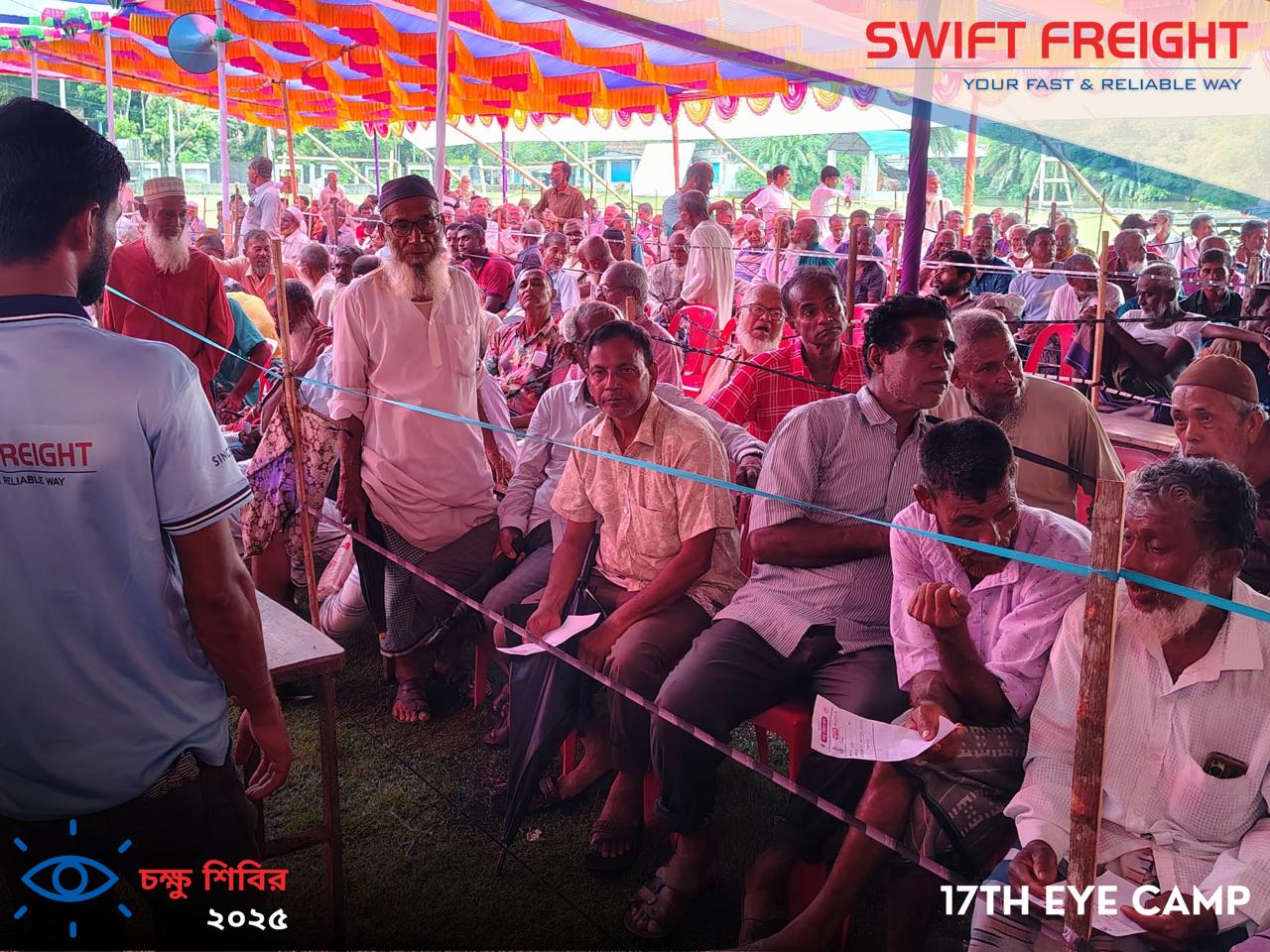
For nearly two decades, Chokhu Shibir has reached hundreds of thousands of people across Bangladesh by providing:
Every year, thousands of people travel from remote areas with the hope of restoring their vision. And every year, we renew our commitment to help them reclaim that hope.
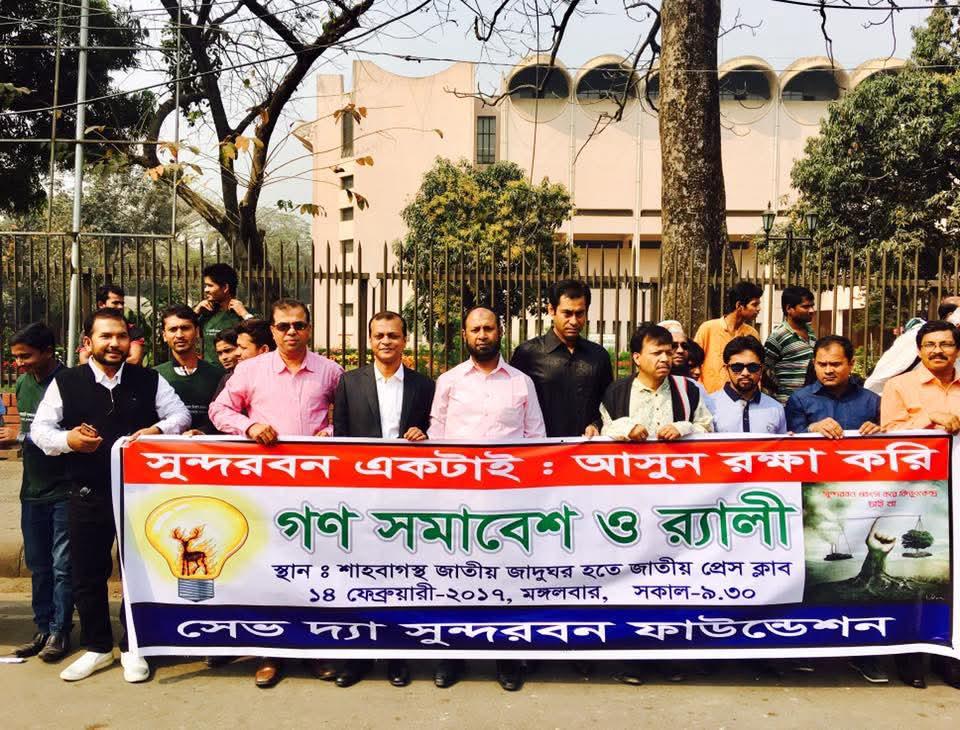
The Save the Sundarban Foundation began not as an organization but as a deeply personal calling. Our Managing Director grew up in Rampal, Bagerhat, a region where the air carries the smell of the river, where the tides of the Pashur rise and fall like the breath of the land. For him, the Sundarbans were never just a forest; they were home, a living guardian that shaped his childhood.
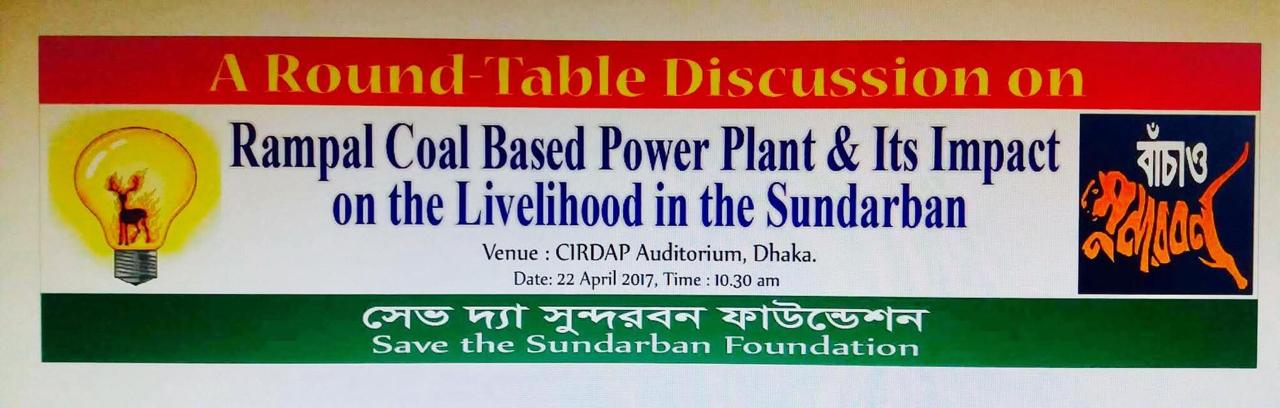
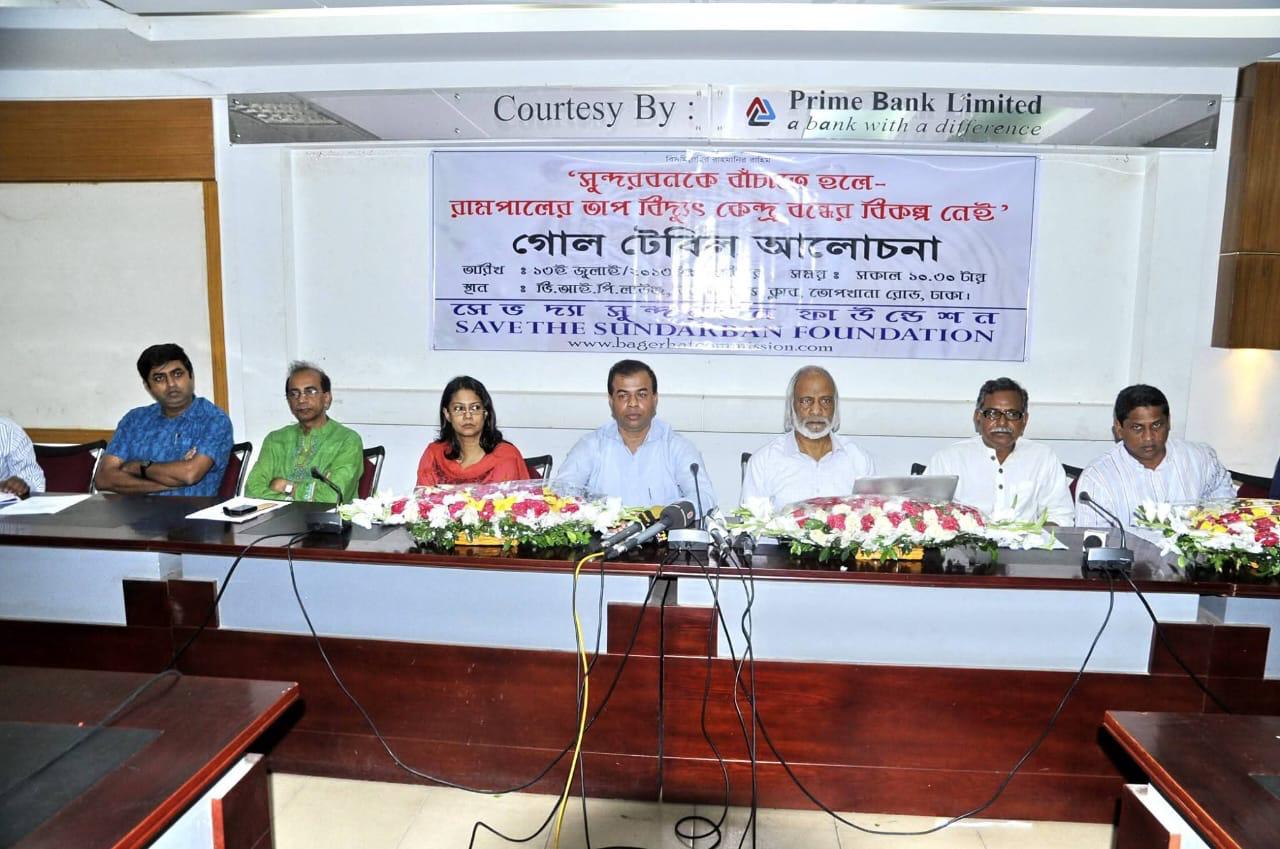
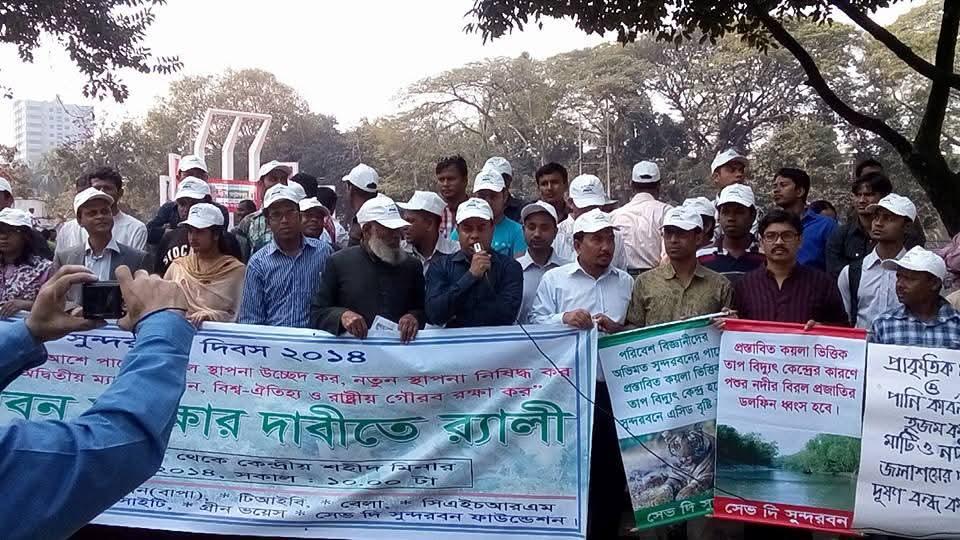
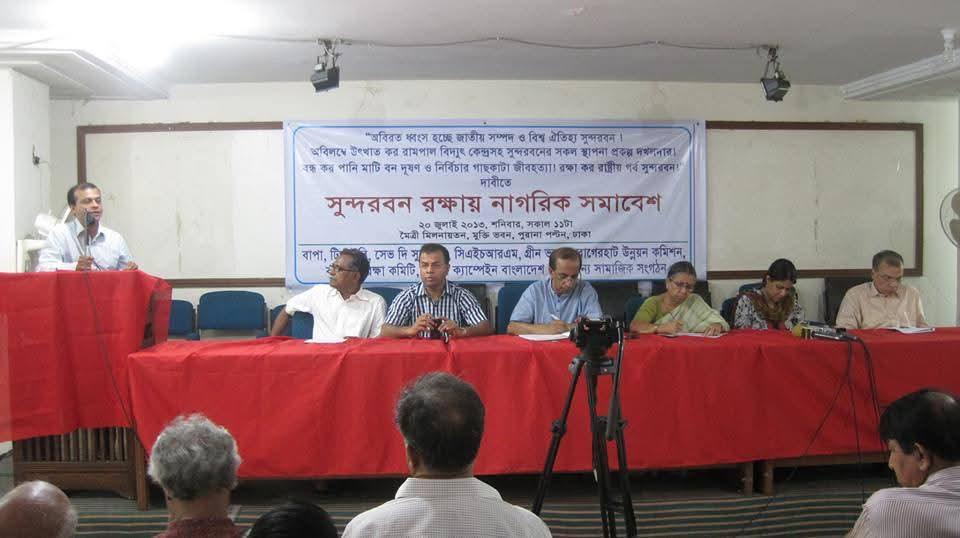
When plans emerged for a massive coal-based power plant near this fragile ecosystem, he felt the danger was personal. The proposed 2640 MW plant threatened to alter the rhythm of life. Coal dust, contaminated water, and chemical pollution posed risks to the mangrove forest that protects millions from cyclones.
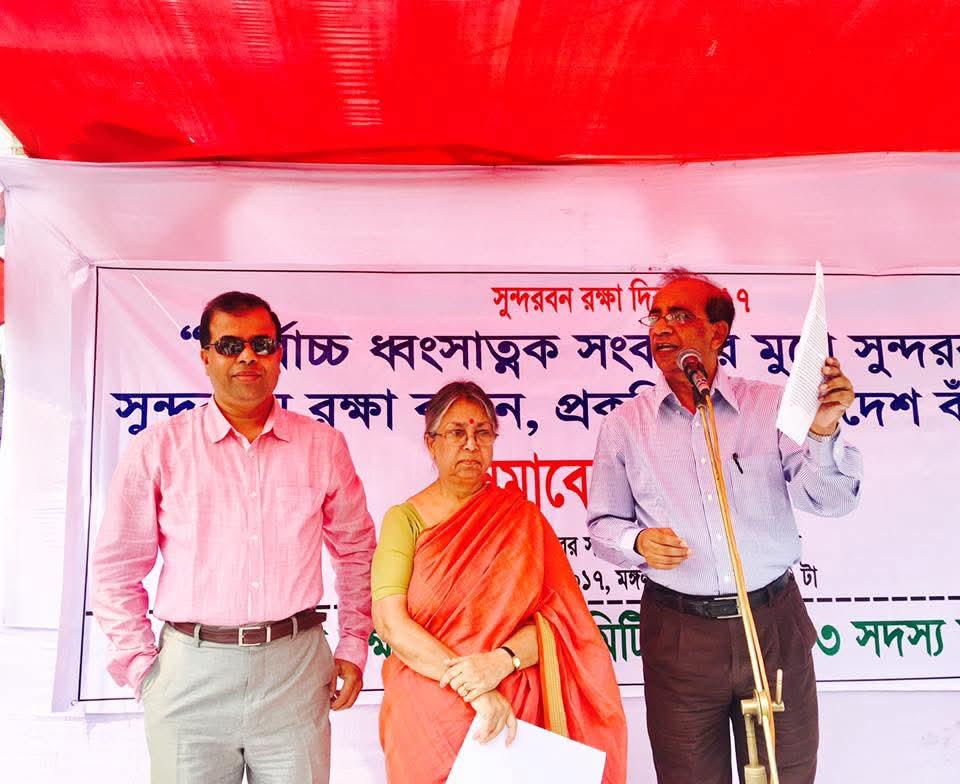
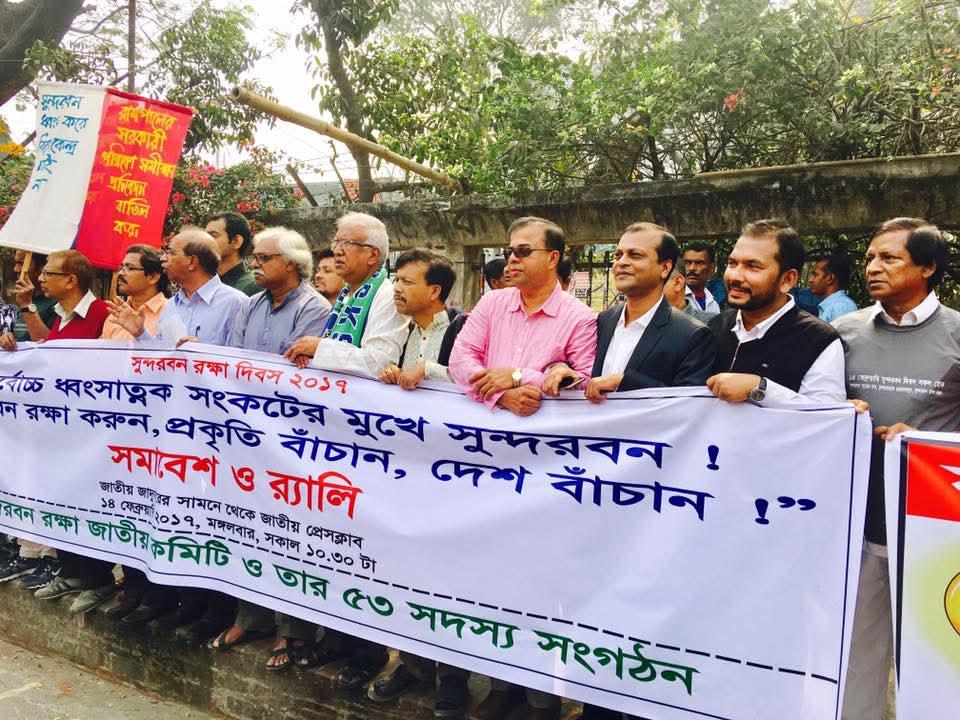
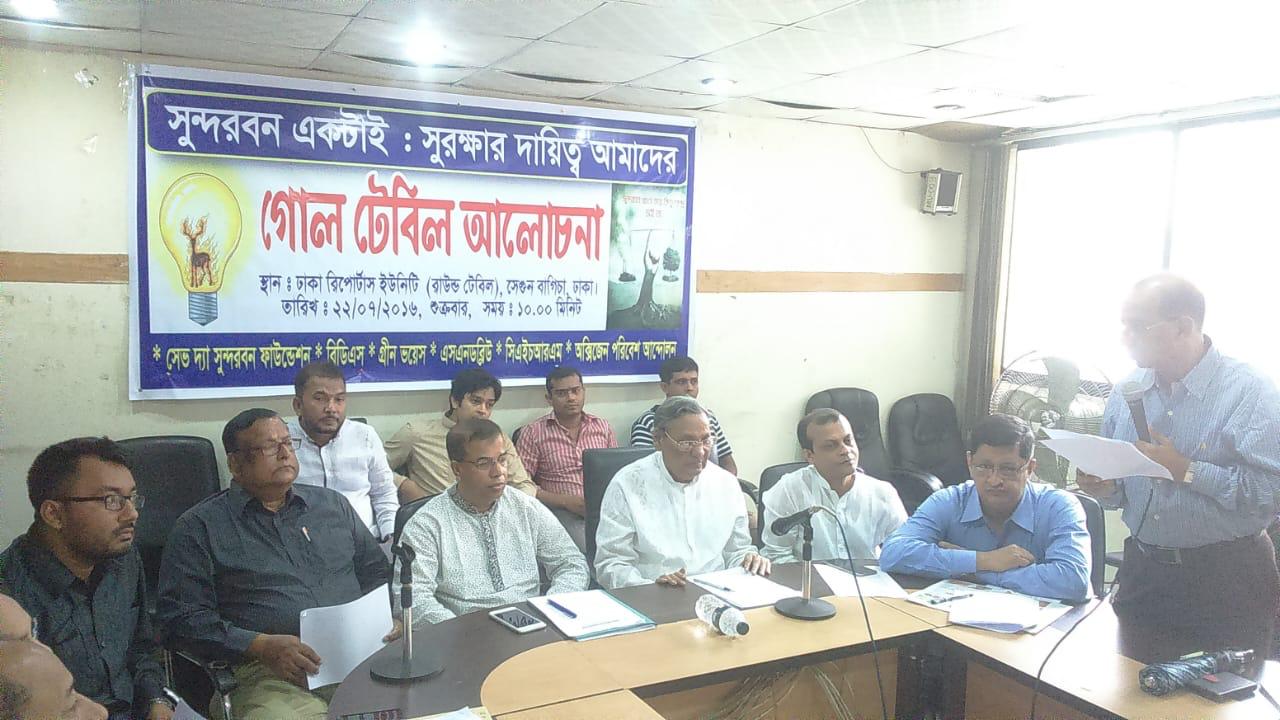
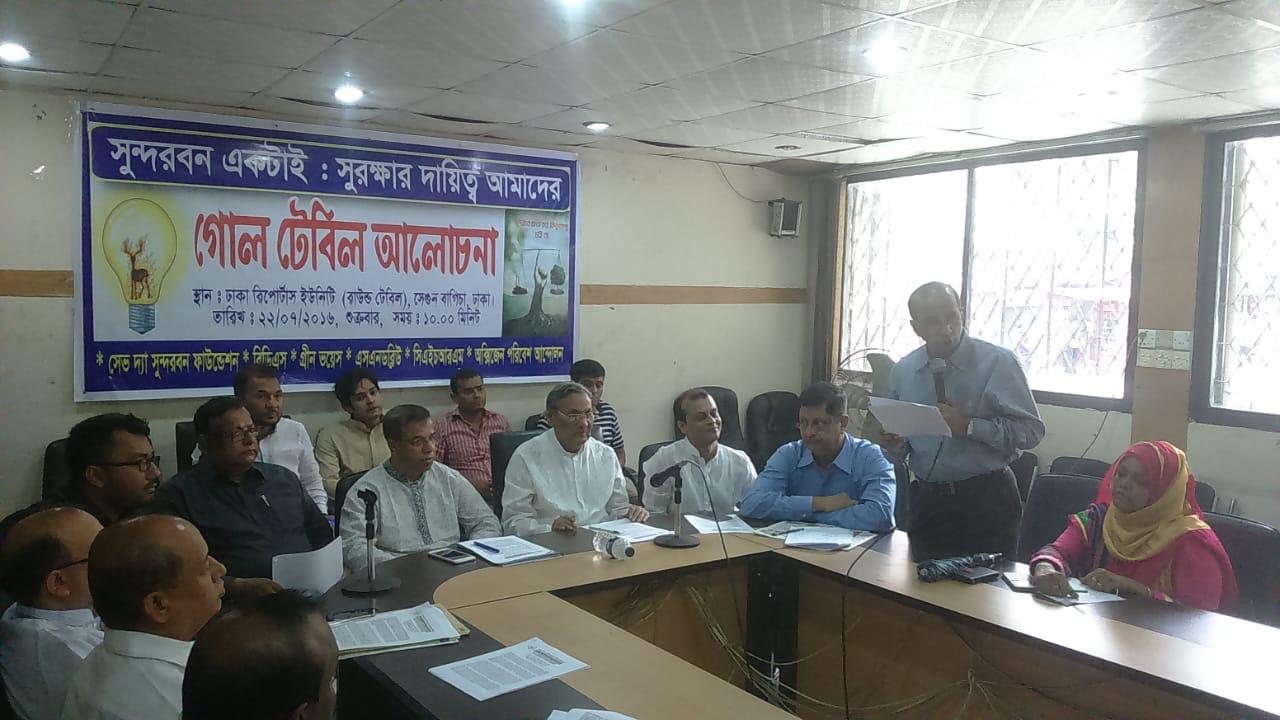
Refusing to stand by, he used every resource—his education, network, and PhD in climate change research—to mobilize experts from Bangladesh and abroad. It was a long fight that required patience and relentless advocacy.
The Achievement: Through continuous effort, the project was eventually reduced by half, from 2640 MW to 1320 MW. This stands as a testament to what united voices can accomplish.
“The Sundarbans have shielded our communities for centuries. Now it is our turn to protect them with dedication, knowledge and care.”
We aim to continue:
“Factories can be relocated. Roads can be redesigned. But a forest like the Sundarbans cannot be recreated a second time.”